Sticky Garlic Butter Honey Parmesan Chicken Penne (One-Pan, Actually Sticky)
Published: 12 Jul 2026
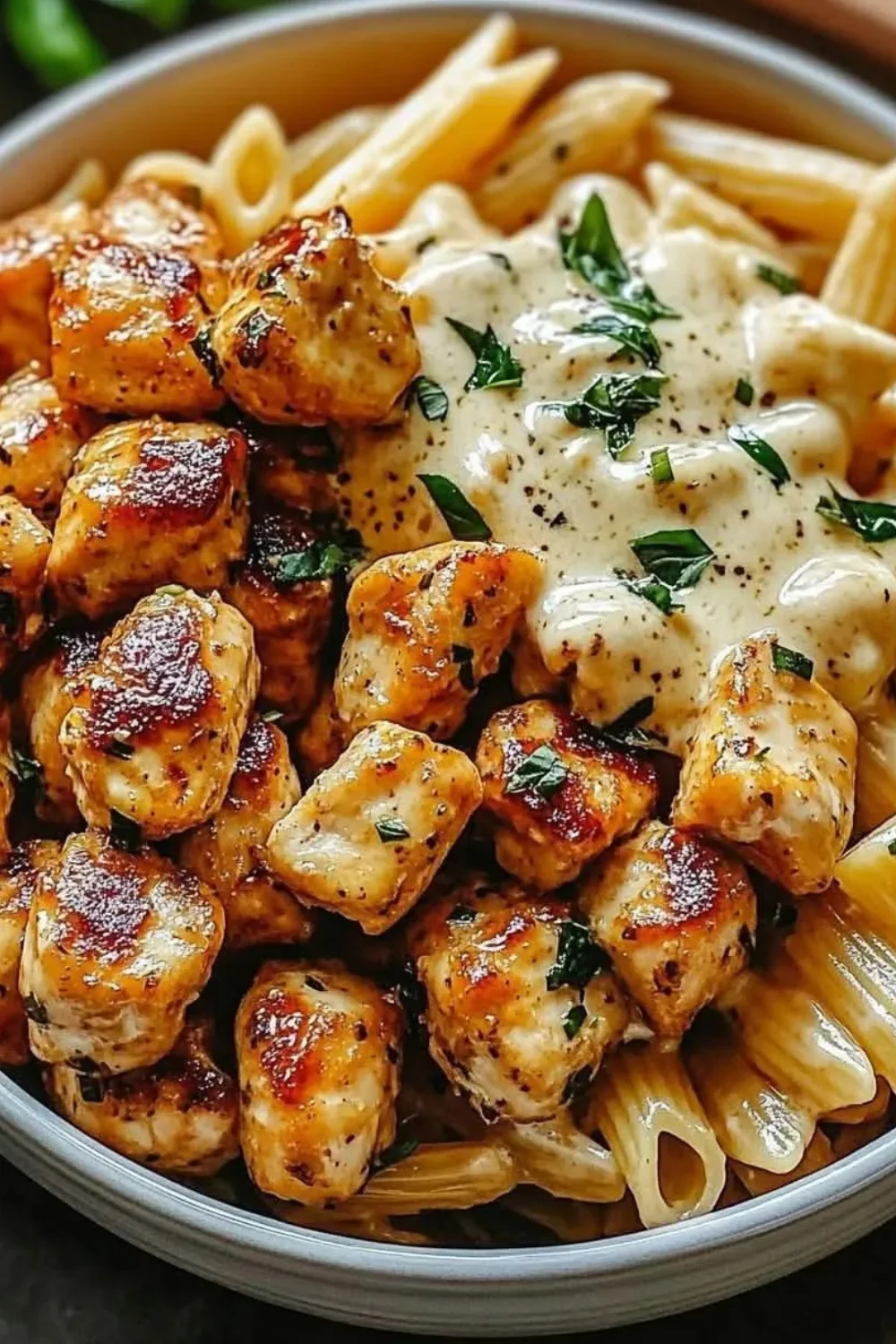
There’s a version of this dish where the “sticky” sauce is really just honey stirred into melted butter — thin, one-note, and gone from the pasta by the second bite. This version gets the sauce to genuinely cling: chicken seared properly instead of just simmered, a real reduction so the honey glaze thickens into something that coats instead of pools, and fresh block Parmesan finished off the heat so it melts silky instead of clumping. Same 25-minute, one-pan weeknight ease — just built the way it should be the first time.
- Quick and Easy: Still just 25 minutes start to finish, with a properly seared chicken and a real, reduced glaze — no shortcuts that cost you flavour. Flavour or Explosion: Garlic bloomed in butter, honey reduced until genuinely sticky, and Parmesan melted off the heat so it stays silky instead of gritty — three layers, not just three ingredients stirred together.
- Versatile Dish: Just as good for a Tuesday night as it is plated up for guests.
- One-Pan Wonder: Everything — chicken, sauce, and pasta — comes together in a single skillet, with an actual reason for each step instead of just “combine and stir.”
- Customizable: Add spinach, cherry tomatoes, or bump up the red pepper flakes — the technique holds no matter what you add.
Tools and Preparation
Getting a sauce that’s actually sticky — not just sweet and buttery — depends more on searing technique and timing than on any special equipment.
Essential Tools and Equipment
- Large skillet (12-inch, for room to sear without crowding)
- Pot for boiling pasta
- Wooden spoon or spatula
- Measuring cups and spoons
- Box grater or microplane (for fresh Parmesan)
- Paper towels (for drying the chicken)
Importance of Each Tool
- Large skillet: Crowding the pan is the single most common reason chicken ends up pale and rubbery instead of browned — a wide skillet gives every piece room to actually sear.
- Pot for boiling pasta: Cooking the penne separately, salted well, means you control texture precisely and can reserve starchy pasta water to loosen the glaze if it reduces too far.
- Wooden spoon or spatula: After searing the chicken, there’s a layer of browned bits stuck to the pan — that’s flavour, and a wooden spoon lifts it cleanly as you build the sauce.
- Box grater or microplane: Pre-shredded Parmesan is coated in anti-caking starch that keeps it from melting smoothly. Grating fresh from a block takes under a minute and is the difference between a silky glaze and a clumpy one.
| Ingredients |
|---|
For the Pasta
For the Chicken
For the Sauce
|
How to Make Sticky Garlic Butter Honey Parmesan Chicken Penne
Step 1: Cook the Pasta
Bring a large pot of well-salted water to a boil. Cook the penne until just al dente. Before draining, reserve about ¼ cup of the starchy pasta water — it’s your insurance if the glaze reduces too far. Drain and set aside.
Step 2: Sear the Chicken — Don’t Rush This Step
Pat the chicken pieces completely dry, then season with salt and pepper. Heat olive oil in your skillet over medium-high heat until shimmering. Add the chicken in a single layer, without crowding the pan, and let it sear undisturbed for 2–3 minutes per side until deeply golden.
Why this matters: A properly browned crust on the chicken is where most of the dish’s savoury backbone comes from. Stirring too soon or overcrowding the pan traps steam and leaves you with pale, flavourless chicken instead. Remove the chicken to a plate once cooked through.
Step 3: Bloom the Garlic Butter
Reduce the heat to medium. Add 2 tablespoons of the butter to the same pan, followed by the garlic. Sauté for 30–45 seconds, stirring constantly, until fragrant but not browned — garlic turns bitter quickly past this point.
Step 4: Build the Sticky Glaze
Add the honey and apple cider vinegar to the pan, scraping up any browned bits left from searing the chicken. Bring to a gentle simmer and let it reduce for 3–4 minutes, stirring occasionally, until the glaze visibly thickens and coats the back of a spoon. This reduction step is what makes the sauce genuinely sticky, rather than just sweet and thin.
Step 5: Bring It All Together
Return the seared chicken to the pan along with any accumulated juices, and toss to coat in the glaze. Add the drained penne and toss again. Remove the pan from the heat, then stir in the remaining 2 tablespoons of butter and the Parmesan gradually, a little at a time, stirring continuously so it melts smoothly rather than clumping. If the sauce feels too thick, loosen it with a splash of the reserved pasta water.
Step 6: Serve
Taste and adjust salt, pepper, or red pepper flakes. Garnish generously with chopped parsley and serve immediately, while the glaze is at its glossiest.
How to Serve Sticky Garlic Butter Honey Parmesan Chicken Penne
For a Cozy Family Meal
- Serve with a Salad: A mixed greens salad with a sharp vinaigrette cuts through the sweetness of the glaze.
- Add Breadsticks: Warm breadsticks are perfect for mopping up any extra sauce left in the pan.
For Special Occasions
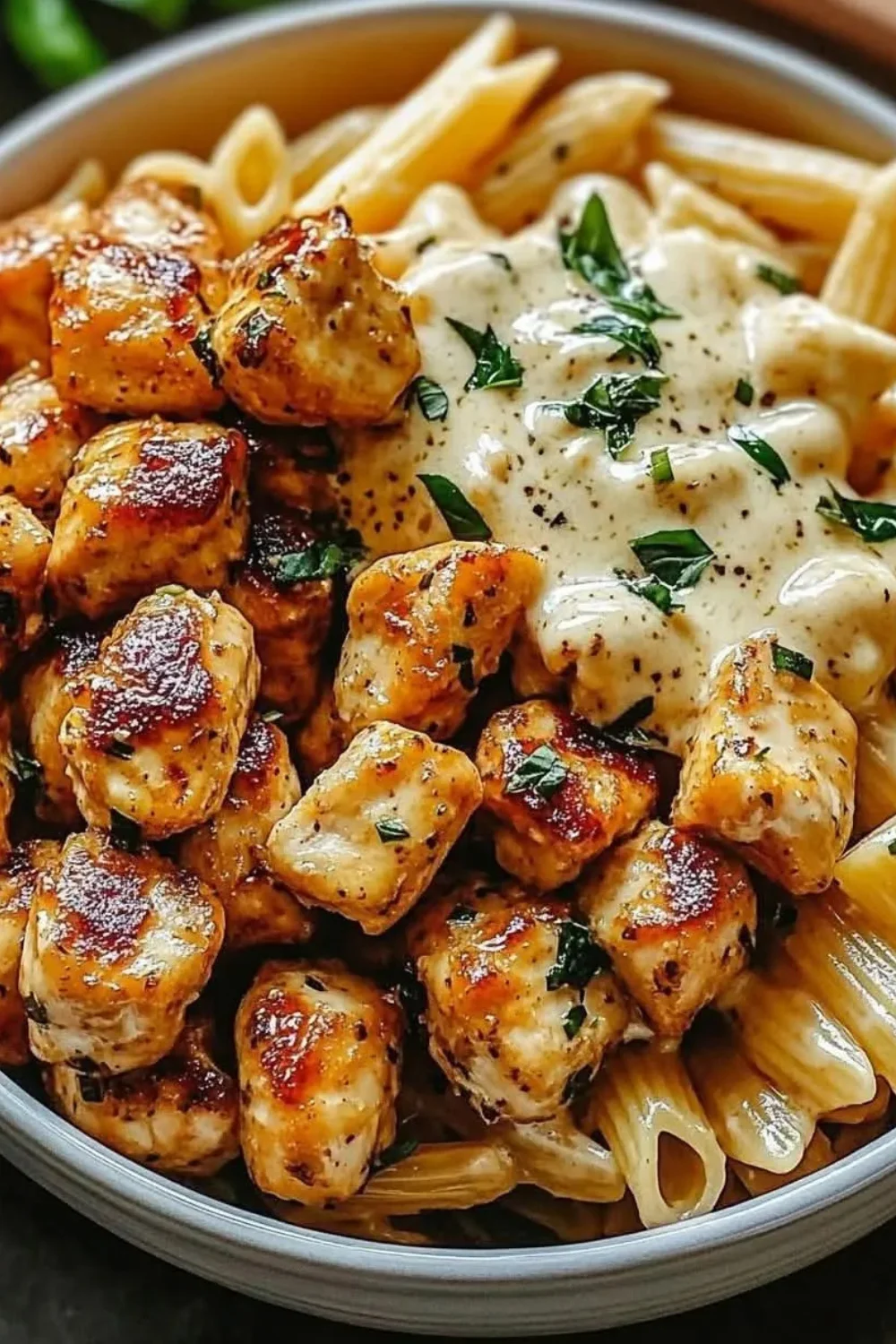
- Use Elegant Plates: A simple white plate lets the glossy glaze and golden chicken stand out visually.
- Garnish Creatively: A final scatter of Parmesan shavings and parsley right before serving makes the dish look as good as it tastes.
For Leftovers
- Make a Wrap: Leftover chicken penne rolled into a tortilla makes a quick, satisfying lunch.
- Create a Bake: Layer with extra cheese and bake until bubbly for a casserole-style second life.
- Garlic Bread — ideal for scraping up any extra glaze left on the plate.
- Steamed Broccoli — adds colour and a clean, slightly bitter contrast to the sweetness.
- Caesar Salad — crisp romaine and a sharp dressing balance the richness well.
- Roasted Vegetables — caramelized veggies echo the glaze’s sweetness without competing with it.
- Caprese Salad — fresh tomato and basil offer a bright, acidic counterpoint.
- Garlic Green Beans — a simple, quick side that doesn’t pull focus from the main dish.
How to Perfect Sticky Garlic Butter Honey Parmesan Chicken Penne
- Dry the chicken first: Surface moisture is the biggest obstacle to a good sear — pat it dry before seasoning.
- Don’t crowd the pan: Searing in batches if needed keeps the pan hot enough to brown instead of steam.
- Actually reduce the glaze: Three to four minutes of simmering is what turns “honey butter” into a true sticky glaze — don’t rush past it.
- Balance the sweetness: The apple cider vinegar keeps the honey from tasting one-dimensional; don’t skip it even if it seems optional.
- Add cheese off the heat: Parmesan added while the pan is still very hot can seize into clumps — always pull the pan off the heat first.
- Use freshly grated Parmesan: Bagged, pre-shredded cheese won’t melt into the same silky texture.
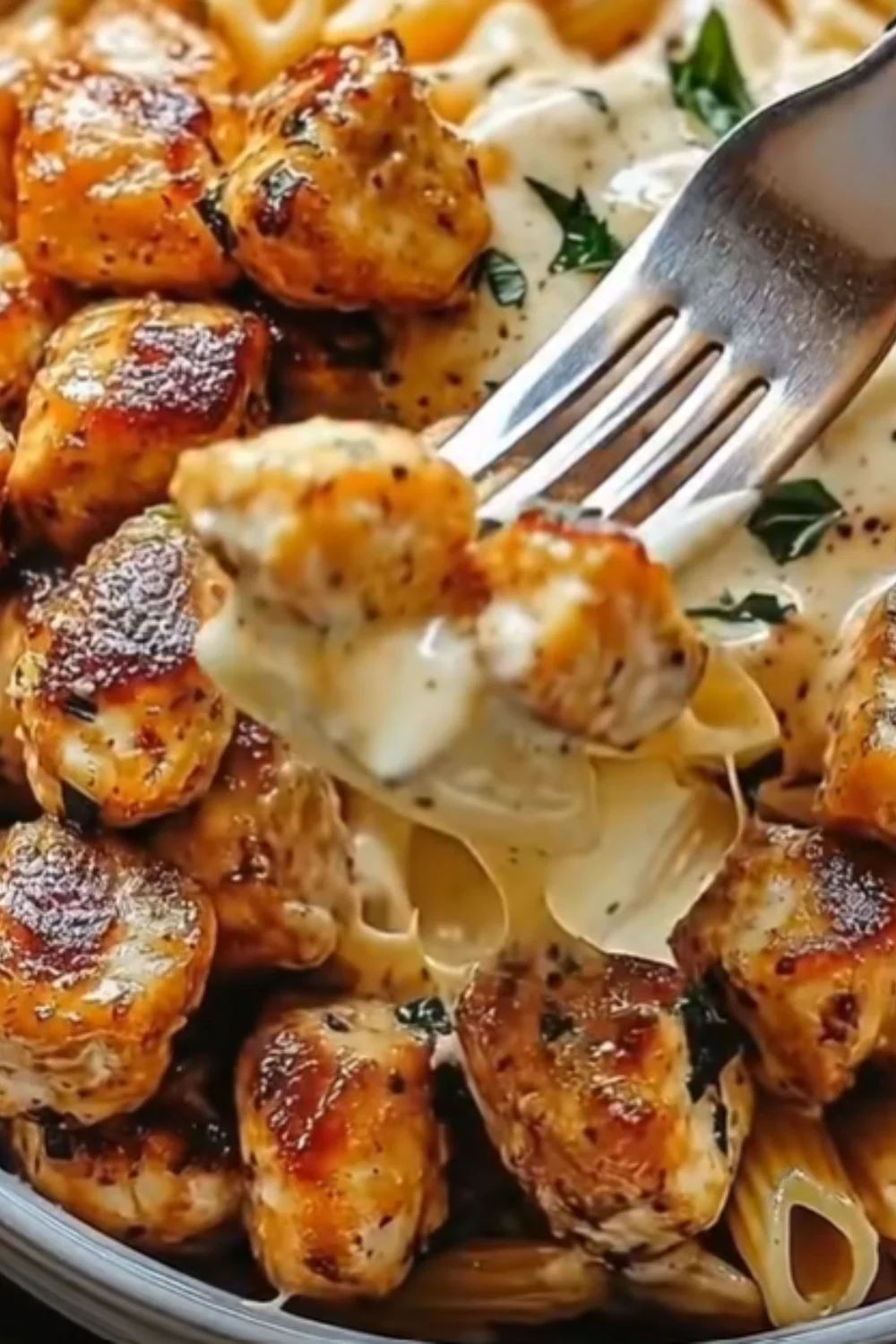
- Overcrowding the chicken: This causes steaming instead of searing, leaving the chicken pale and lacking a proper crust.
- Rushing the glaze: Skipping the reduction step leaves you with a thin, overly sweet sauce that won’t cling to the pasta.
- Adding cheese over high heat: This is the most common cause of a grainy, clumped sauce — always remove the pan from heat first.
- Skipping the acid: Without the vinegar, the honey glaze can taste flat and one-note instead of balanced.
- Using bagged Parmesan: The anti-caking coating prevents a smooth, glossy melt.
- Overcooking the pasta: Penne cooked past al dente turns mushy once tossed with the hot glaze — pull it slightly before fully done.
Storage & Reheating Instructions
Refrigerator Storage
Store in an airtight container for up to 3 days.
Freezing Sticky Garlic Butter Honey Parmesan Chicken Penne
Freeze in a freezer-safe container or heavy-duty freezer bag for up to 2 months. The glaze may need a quick stir once reheated to bring it back together.
Reheating Sticky Garlic Butter Honey Parmesan Chicken Penne
- Oven: Preheat to 350°F (175°C) and heat covered for about 20 minutes.
- Microwave: Heat in short bursts, stirring between each, until warmed through.
- Stovetop: Reheat in a skillet over medium-low heat, adding a splash of water or reserved pasta water if the glaze has thickened too much in the fridge.
Frequently Asked Questions
Can I use other types of pasta for Sticky Garlic Butter Honey Parmesan Chicken Penne?
Yes — fusilli or farfalle work well too, since their ridges and folds hold onto the sticky glaze nicely. Adjust cooking times per package instructions.
How can I customize Sticky Garlic Butter Honey Parmesan Chicken Penne?
Stir in spinach or bell peppers during the last few minutes of cooking, or swap in a different cheese like Pecorino Romano for a sharper finish.
What should I serve with Sticky Garlic Butter Honey Parmesan Chicken Penne?
A simple green salad or garlic bread rounds out the meal nicely and helps balance the sweetness of the glaze.
Can I make this recipe ahead of time?
Yes — sear the chicken and build the glaze ahead of time, then reheat gently and toss with freshly cooked pasta and cheese just before serving for the best texture.
Final Thoughts
Sticky Garlic Butter Honey Parmesan Chicken Penne earns its name through a few deliberate choices — a proper sear on the chicken, a glaze that’s actually reduced until sticky, and fresh Parmesan melted off the heat. None of it adds real time to the recipe, but it’s the difference between a good weeknight pasta and one you’ll be asked to make again next week.
| Instructions |
|---|
|
Prep Time: 10 minutes, Cook Time: 15 minutes, Category: Main Course, Method: Skillet
Cuisine: American
Nutrition
Serving Size: 1 plate (approximately 300g), Calories: 620, Sugar: 12g
Sodium: 770mg, Fat: 24g, Saturated Fat: 12g, Unsaturated Fat: 8g
Trans Fat: 0g, Carbohydrates: 70g, Fibre: 3g, Protein: 34g
Cholesterol: 105mg


- Be Respectful
- Stay Relevant
- Stay Positive
- True Feedback
- Encourage Discussion
- Avoid Spamming
- No Fake News
- Don't Copy-Paste
- No Personal Attacks
- Be Respectful
- Stay Relevant
- Stay Positive
- True Feedback
- Encourage Discussion
- Avoid Spamming
- No Fake News
- Don't Copy-Paste
- No Personal Attacks
