18 Bedroom Color Ideas to Turn Your Room Into a True Sleep Sanctuary
Published: 19 Aug 2026
Choosing the right color for your bedroom is one of the fastest ways to change how a room feels the moment you walk in. The right shade can calm a racing mind after a long day, make a small room feel bigger, or turn a plain box of a space into somewhere you actually look forward to sleeping. That is exactly why bedroom color ideas matter so much: color affects mood, light, and even sleep quality, and it is one of the most affordable upgrades you can make compared to a full renovation.
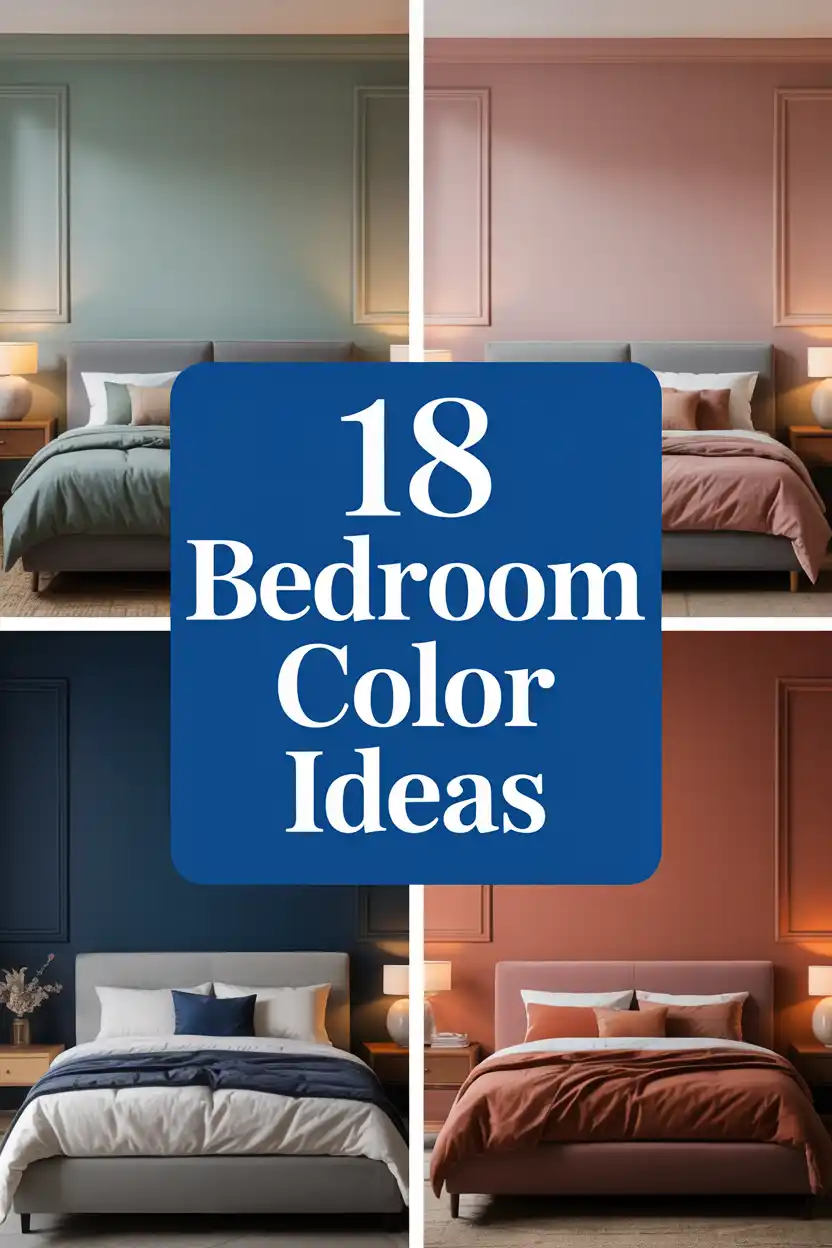
Whether you are working with a tiny rental bedroom, a spacious primary suite, or somewhere in between, there is a palette here that will fit your space, budget, and lifestyle. This guide walks through 18 bedroom color ideas, from soft neutrals to bold, moody hues, along with planning tips, cost breakdowns, a paint comparison table, maintenance advice, and answers to the most common questions people search for when picking a bedroom color.
1. Soft Sage Green
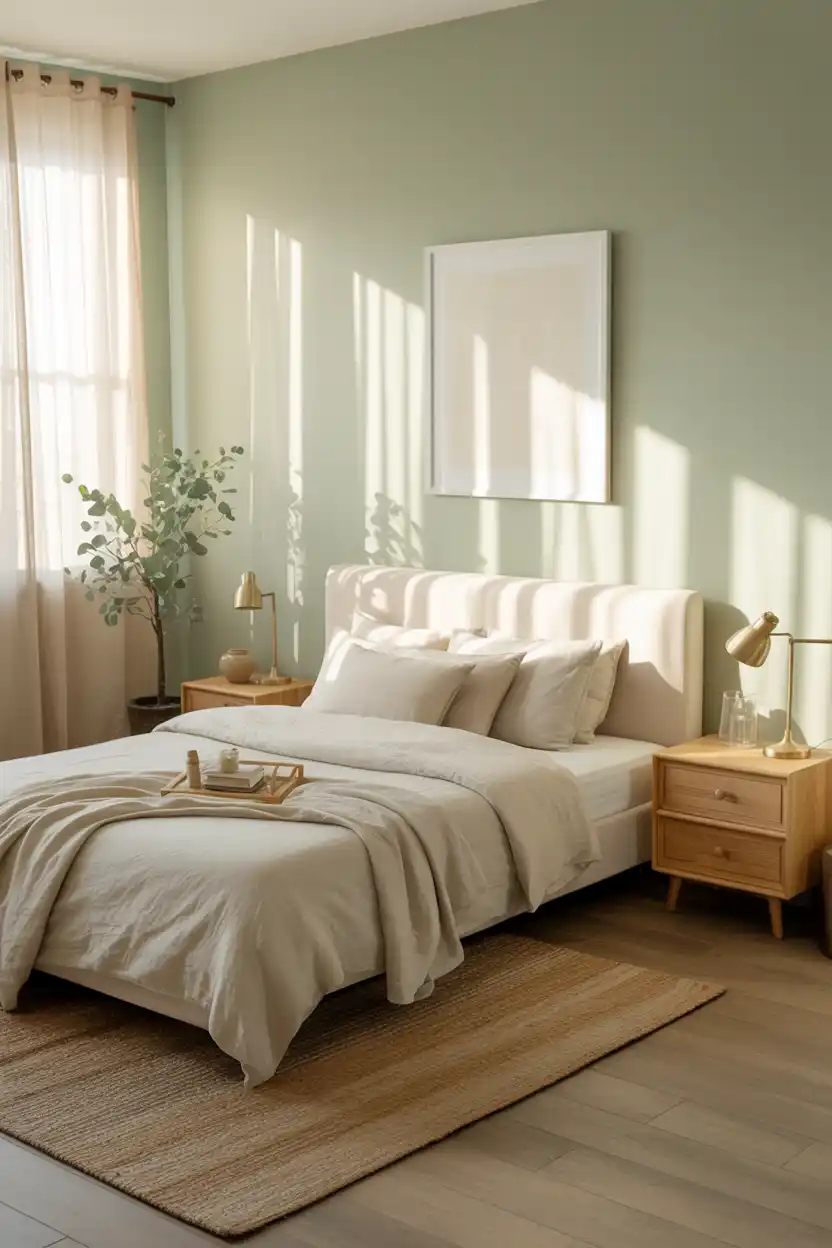
Soft sage green has become one of the most requested bedroom color ideas because it sits right between calming and warm. Unlike a cooler mint or a bold forest tone, sage reads as muted and earthy, which makes it easy to live with year-round.
Pair it with natural wood furniture, linen bedding, and brass or matte black hardware for a grounded, organic look. It works beautifully in bedrooms that get plenty of natural light, where the green will feel fresh rather than dim.
This palette suits anyone who wants a nature-inspired retreat without committing to a dark, dramatic color, and it is especially popular with people decorating primary bedrooms or nurseries transitioning into a big-kid room.
2. Warm Terracotta
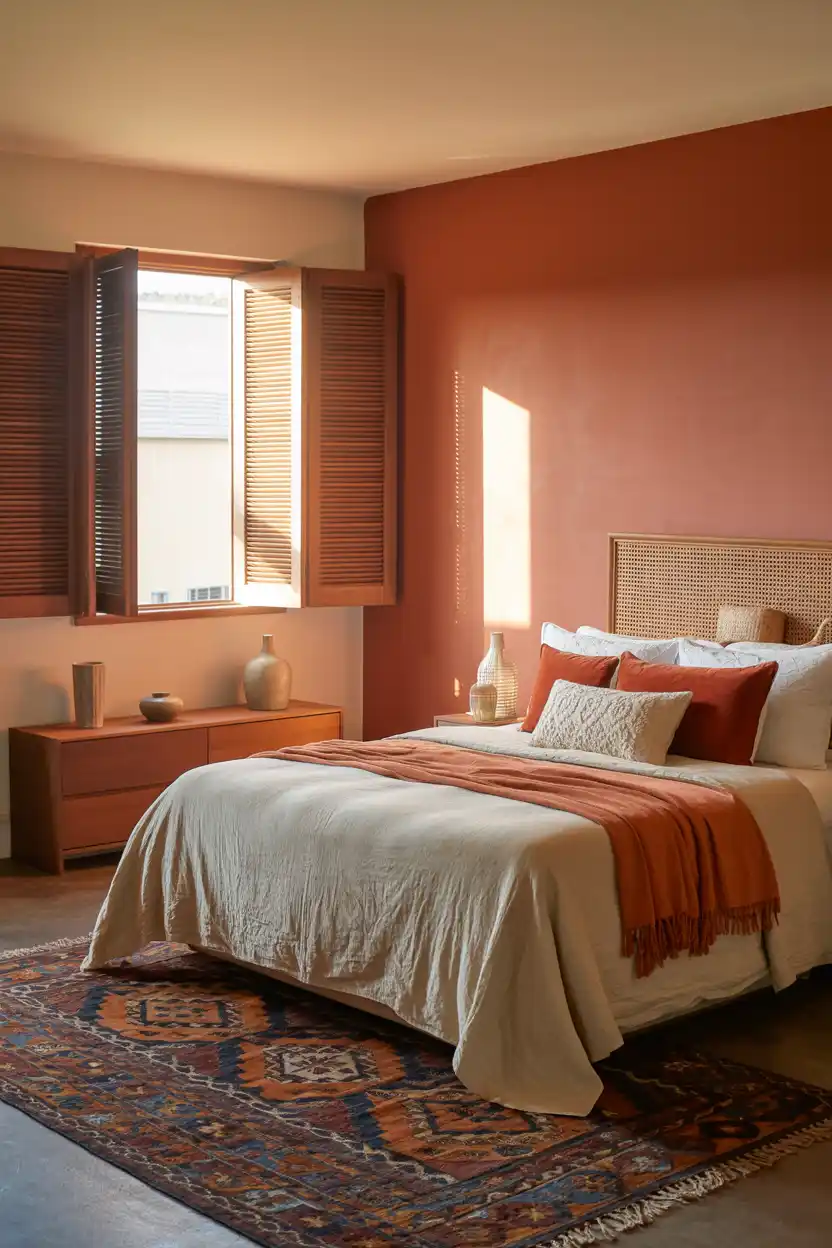
Terracotta brings warmth and personality to a bedroom without feeling as intense as a true red or orange. It is a favorite among bedroom color ideas for people who want a space that feels sun-baked and inviting even in colder months.
Because it is a saturated color, terracotta works best as a single accent wall or paired with plenty of white trim and neutral bedding to keep the room balanced. Rattan, jute, and unlacquered brass accessories all complement the tone naturally.
This shade is ideal for design-forward renters or homeowners who love a boho or Mediterranean-inspired look and are not afraid of a bit of bold color.
3. Deep Navy Blue
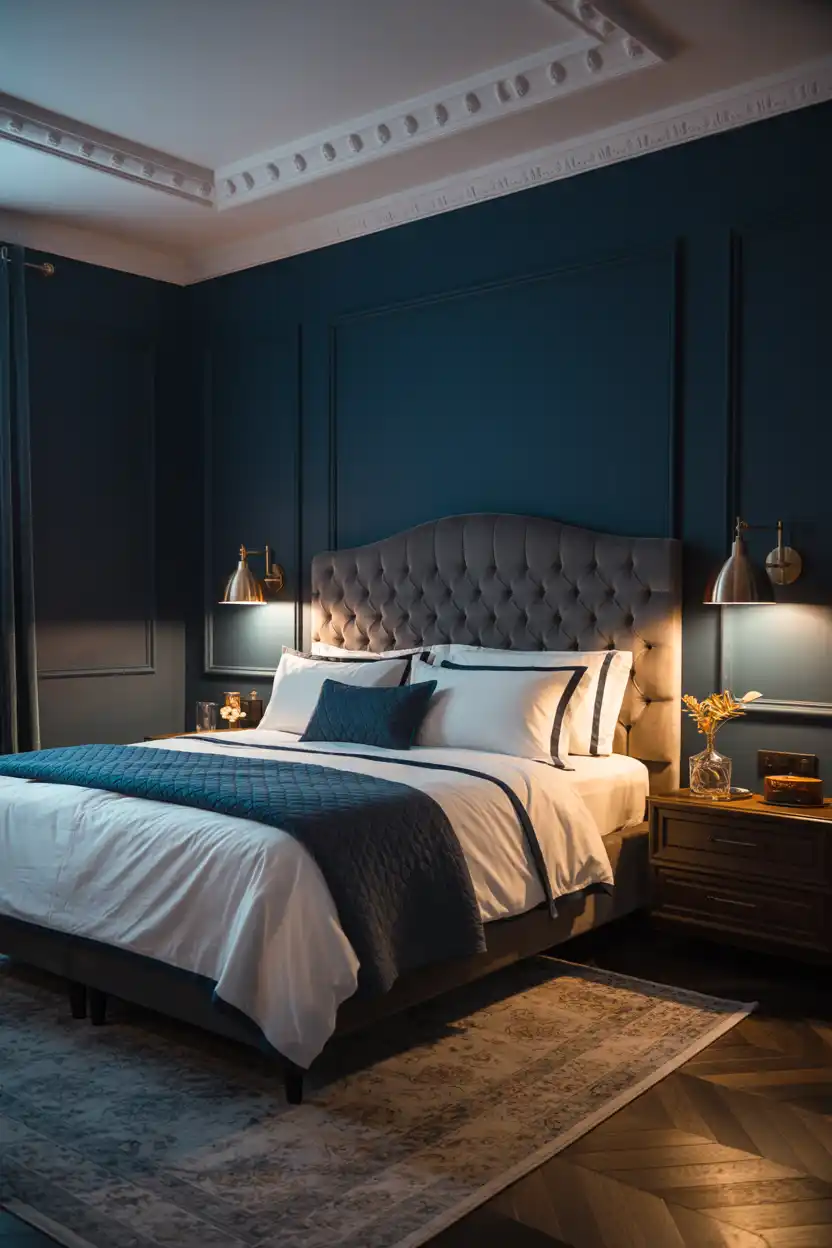
Deep navy is one of the most enduringly popular bedroom color ideas because it reads as sophisticated rather than dark and heavy, especially when paired with warm lighting and metallic accents.
It works particularly well in primary bedrooms with generous natural light or high ceilings, where the depth of color adds drama instead of making the room feel cramped. Balance it with crisp white trim, brass fixtures, and layered textiles.
Navy suits people who want a hotel-like, grown-up bedroom and are comfortable with a bolder wall color that still photographs beautifully and never feels trendy.
4. Blush Pink
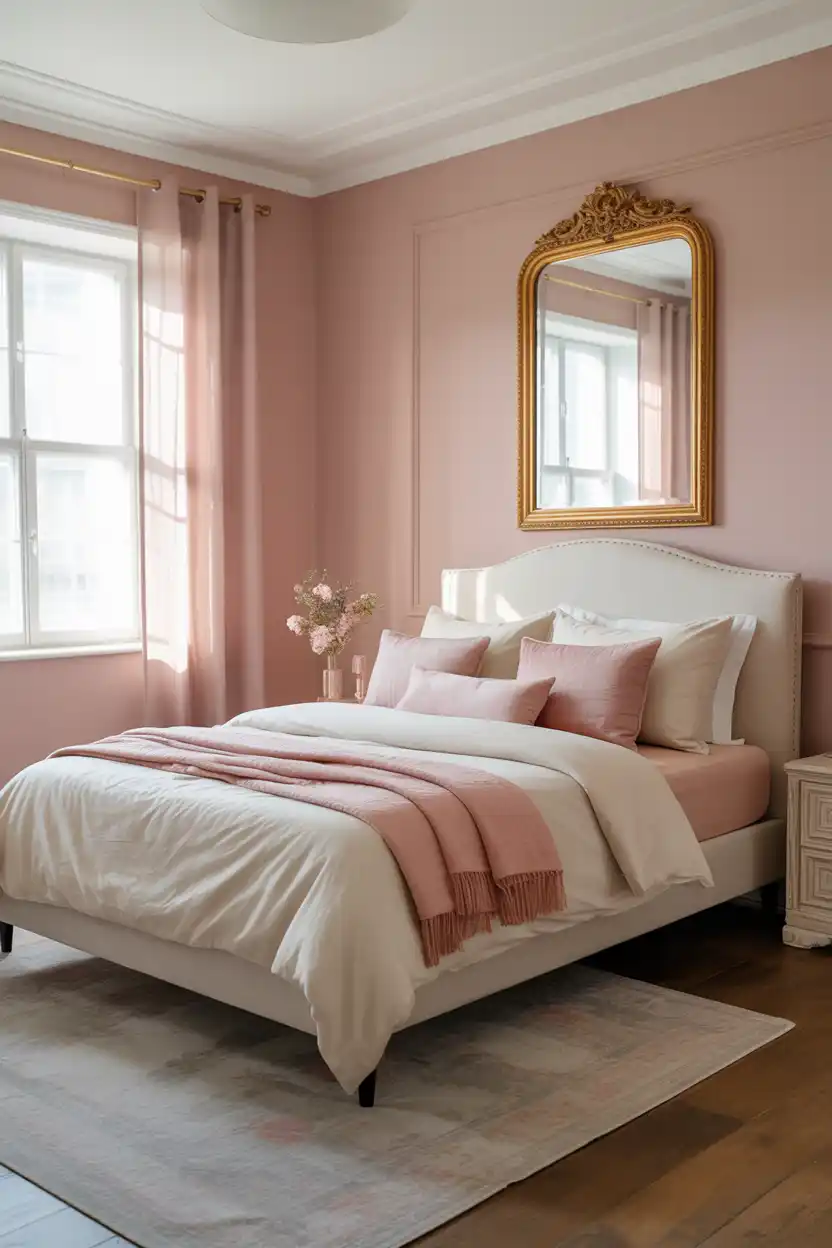
Blush pink has moved well beyond nursery decor and become a genuinely sophisticated bedroom color idea, especially in its muted, dusty variations rather than bright bubblegum tones.
The key to making blush feel current is pairing it with warm neutrals, gold or brass hardware, and natural textures like linen and rattan, so the room reads as soft and elegant rather than overly sweet.
This palette is best suited for anyone who wants a gentle, feminine feel in their bedroom, from first apartments to primary suites that lean romantic.
5. Charcoal Gray
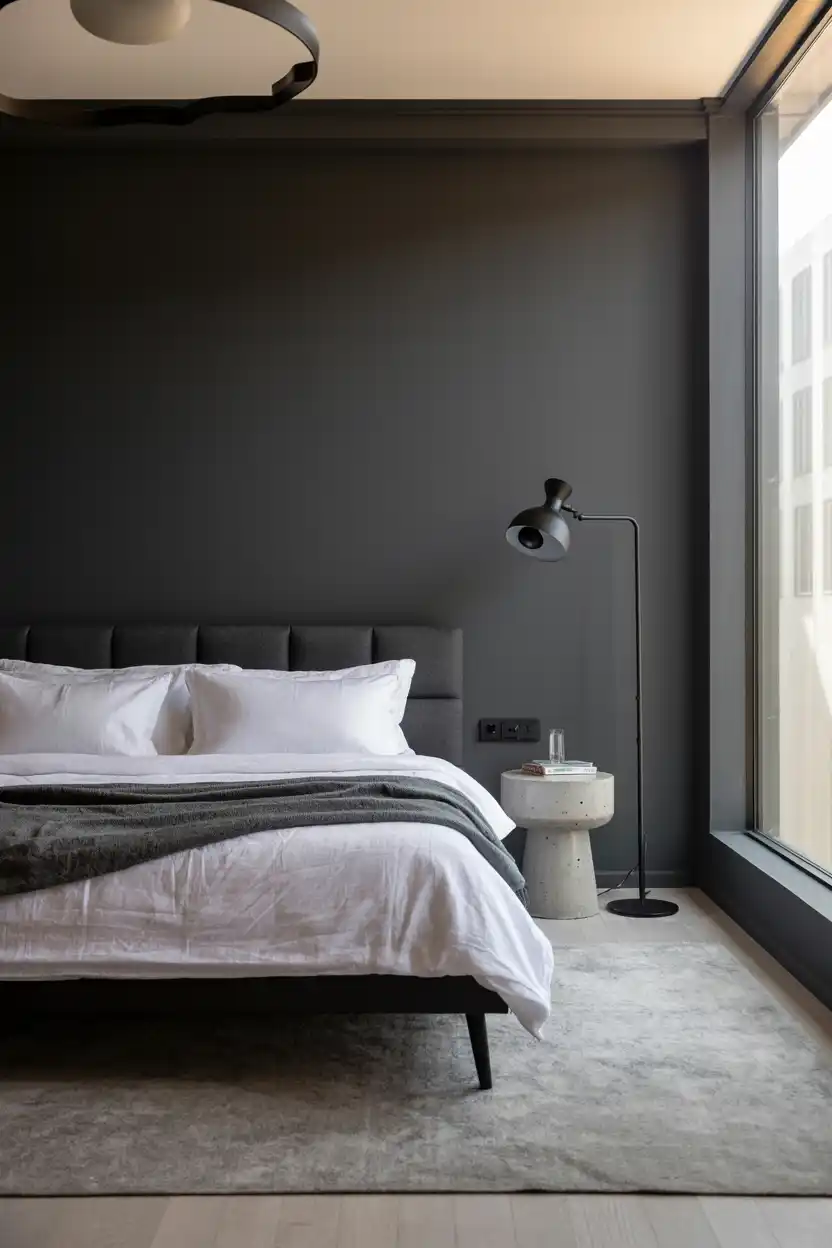
Charcoal gray is one of the most versatile bedroom colour ideas because it functions much like a warm black, adding depth and structure without the starkness of true black walls.
It pairs effortlessly with almost any accent color, but looks especially sharp with crisp white bedding, black metal fixtures, and a few warm wood or leather accents to keep the room from feeling cold.
Charcoal suits minimalist, modern, or industrial-leaning bedrooms and is a good choice for anyone who wants a dramatic look that will not feel dated in a few years.
6. Buttery Yellow
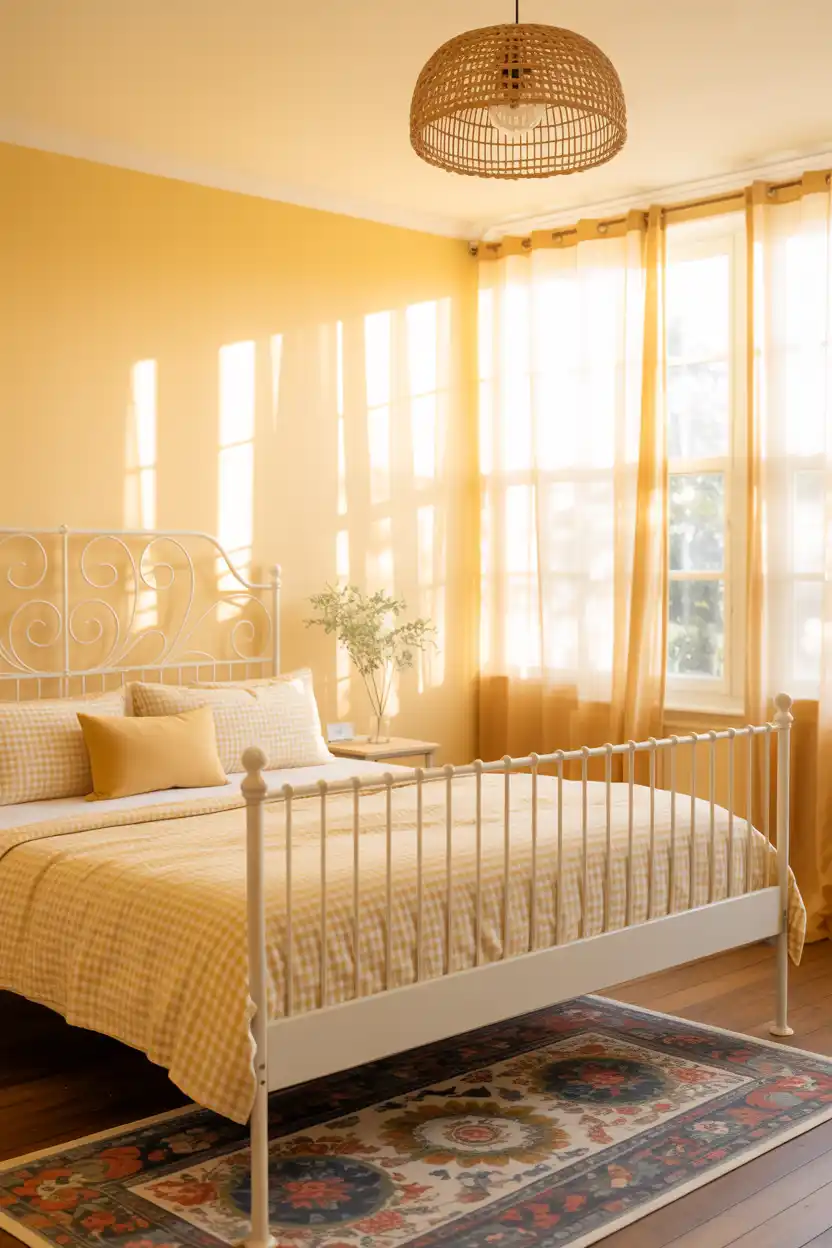
Soft, buttery yellow is a bedroom color idea that brings warmth and light into rooms that do not get much natural sun, without tipping into an overly bright or childish tone.
Choose a muted, slightly grayed-down yellow rather than a saturated shade, then pair it with white trim, natural wood, and gingham or striped textiles for a fresh, cottage-inspired feel.
This color works well for north-facing bedrooms that need extra warmth, and it suits anyone who wants an optimistic, sunny space without leaning into pastel-perfect decor.
7. Dusty Lavender
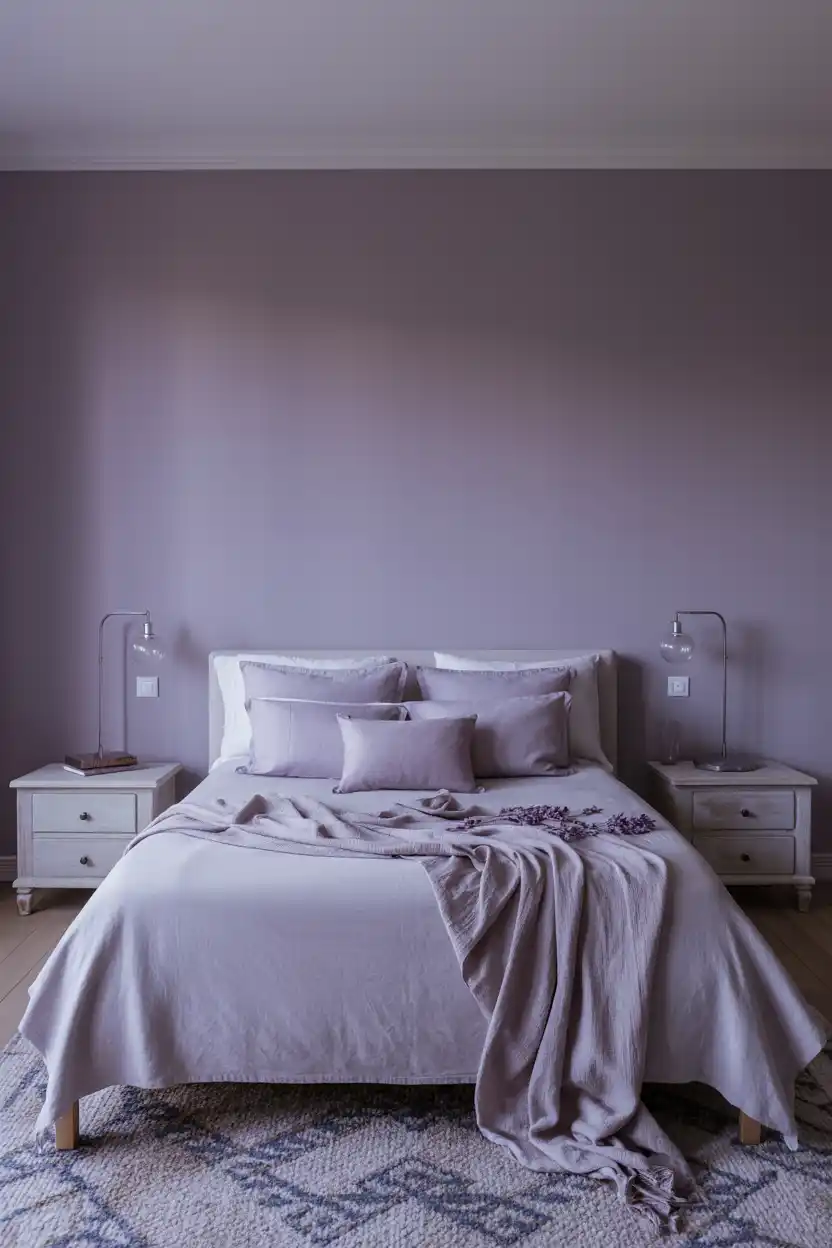
Dusty lavender is a quieter take on purple that leans gray rather than bright, making it one of the more calming bedroom color ideas for people sensitive to visual stimulation before bed.
It pairs beautifully with soft grays, whites, and warm wood tones, and works especially well in bedrooms used for winding down, reading, or meditation.
This shade suits anyone drawn to soft, moody colors but who wants something gentler than navy or charcoal, including teens transitioning out of brighter childhood color schemes.
8. Classic White
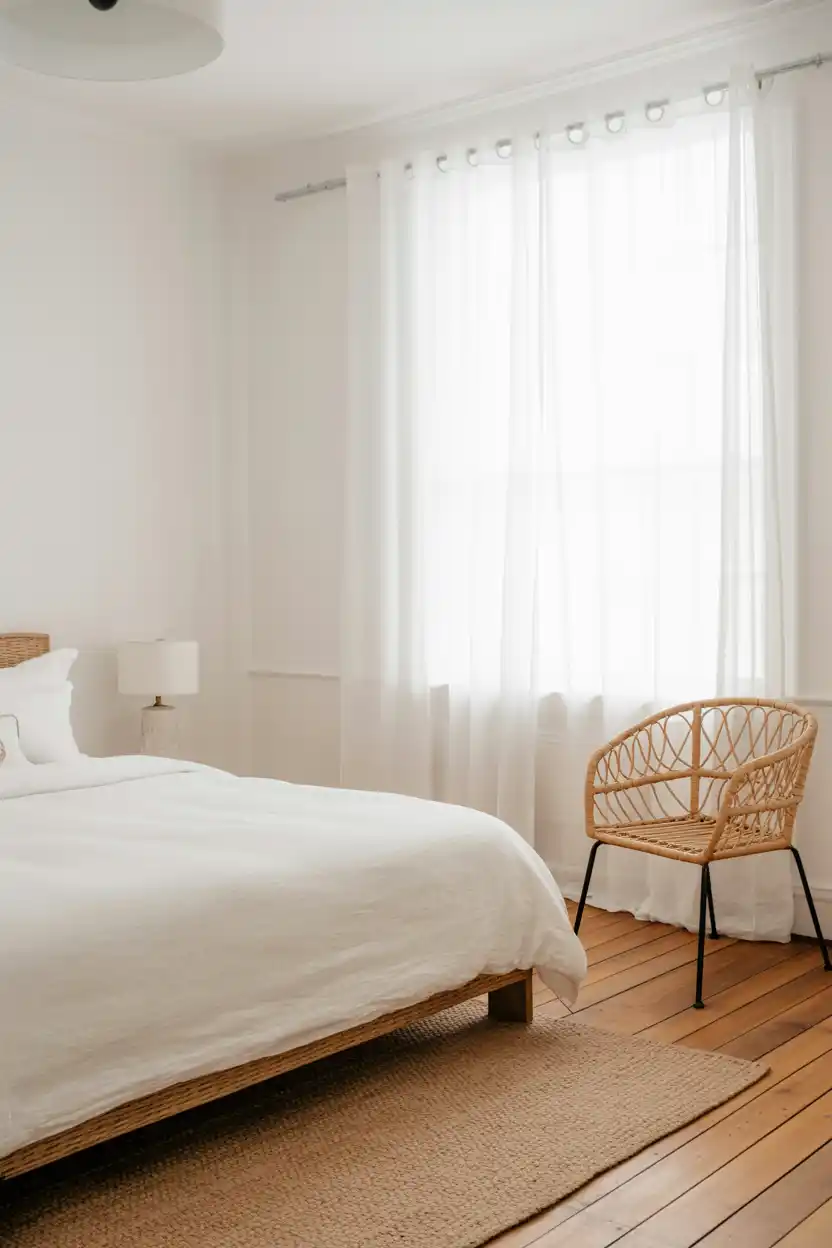
Classic white remains one of the most timeless bedroom color ideas because it maximizes natural light, makes small rooms feel larger, and gives total flexibility to change accent colors through bedding and decor.
The trick to keeping white from feeling sterile is layering in texture, warm wood tones, and varied fabrics like linen, wool, and boucle so the room still feels cozy.
White is the safest choice for renters, small bedrooms, or anyone who prefers a flexible backdrop they can style each season differently.
9. Moody Forest Green
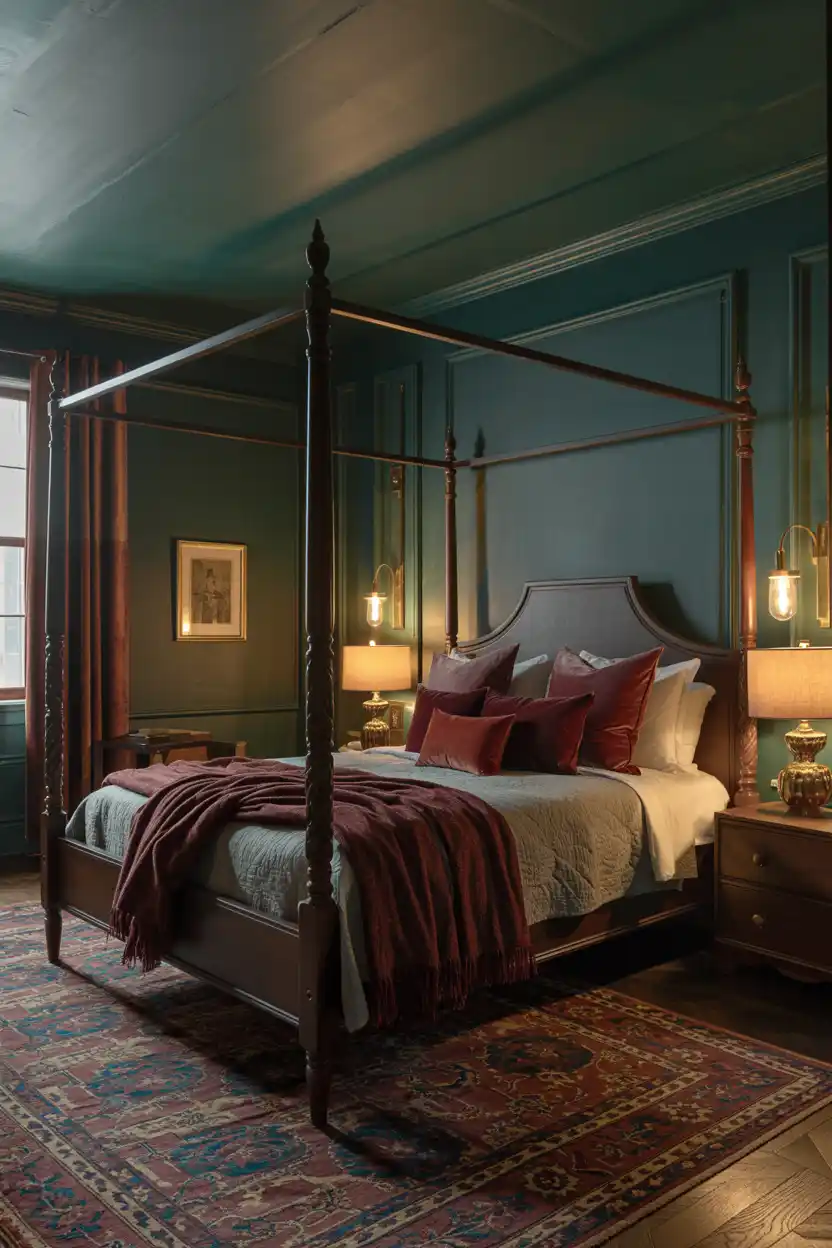
Deep forest green is a bolder cousin of sage and one of the richest bedroom color ideas for people who want a cocooning, cabin-like atmosphere.
It looks best in larger bedrooms with good lighting, paired with dark wood furniture, brass accents, and warm-toned textiles to avoid the room feeling too cold or cave-like.
This palette suits anyone who loves a dramatic, library-inspired bedroom and is comfortable committing to a deeper, more saturated wall color.
10. Warm Taupe
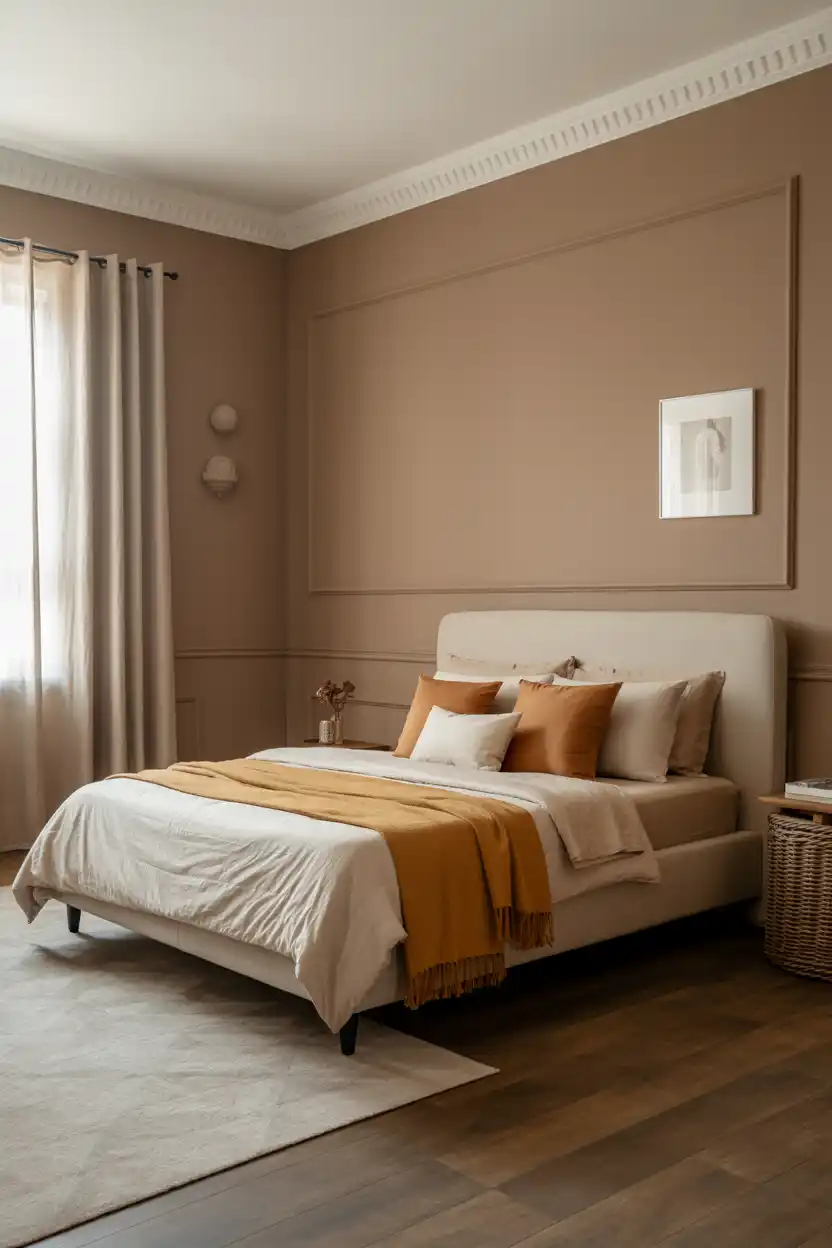
Warm taupe is a go-to among bedroom color ideas for people who want more depth than white but are not ready for a bold statement color.
It reads as a sophisticated neutral that shifts subtly with the light throughout the day and pairs well with camel, cream, and soft black accents for a quiet luxury look.
This color suits bedrooms meant to feel restful and understated, and works particularly well for primary suites in modern or transitional homes.
11. Soft Blue-Gray
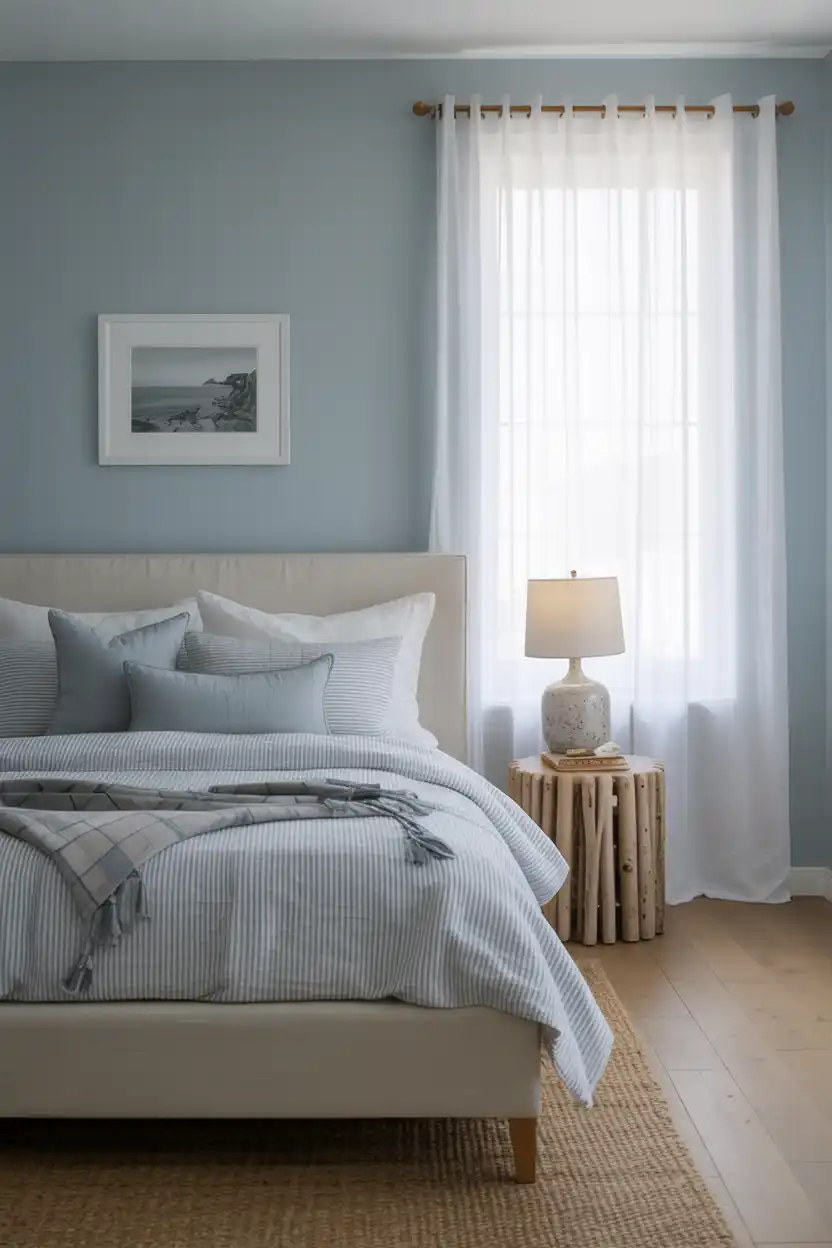
Soft blue-gray is one of the most reliably calming bedroom color ideas, often recommended for its associations with sleep and relaxation, without leaning too cool or clinical.
It pairs naturally with whites, warm woods, and touches of navy for a coastal or transitional feel, and adapts well to both traditional and modern furniture styles.
This shade works well for guest rooms, primary bedrooms, or anyone who wants a versatile, restful color that photographs well in any light.
12. Rich Burgundy
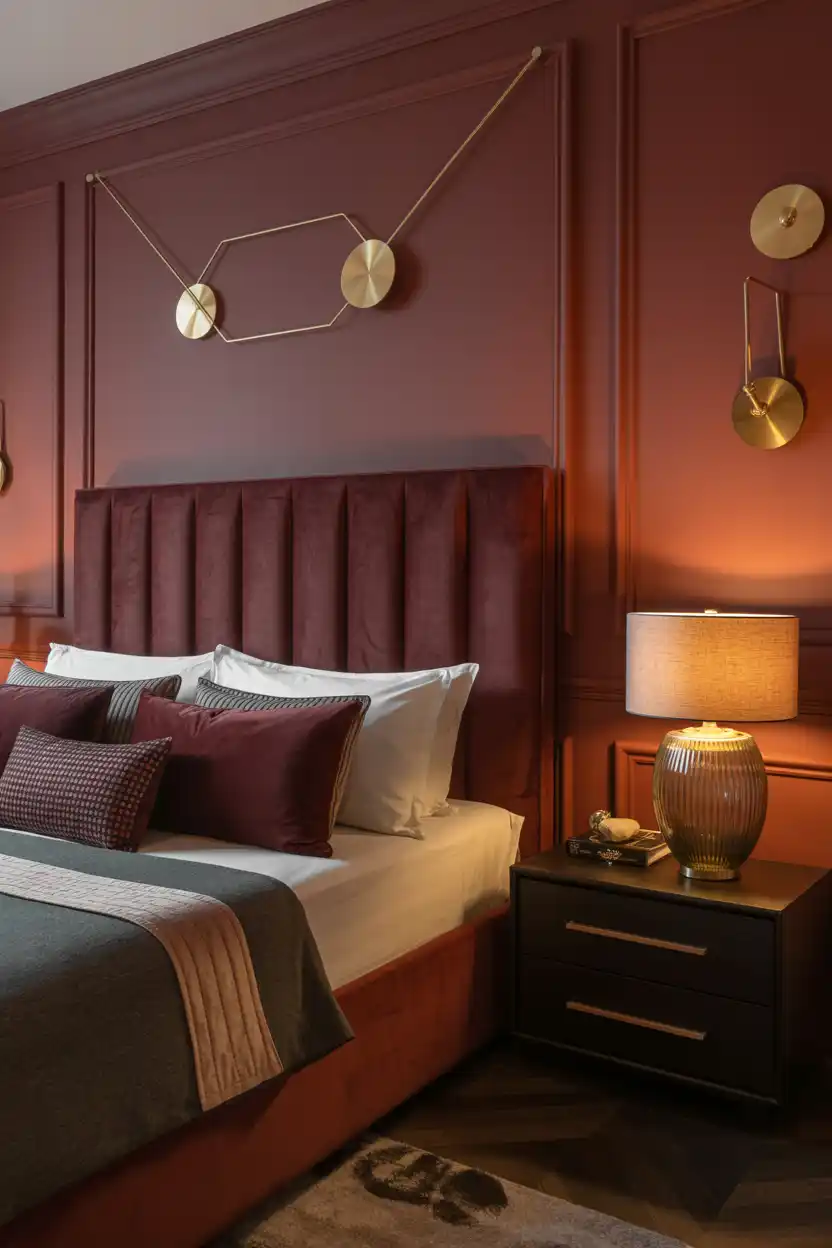
Rich burgundy is a bold but increasingly popular bedroom color idea for people who want a jewel-toned, luxurious feel reminiscent of a boutique hotel suite.
Because the color is intense, it works best as an accent wall behind the headboard, paired with gold or brass fixtures, velvet textiles, and warm ambient lighting.
This palette suits confident decorators who want a romantic, dramatic bedroom and are comfortable using a saturated color in a smaller dose.
13. Creamy Beige
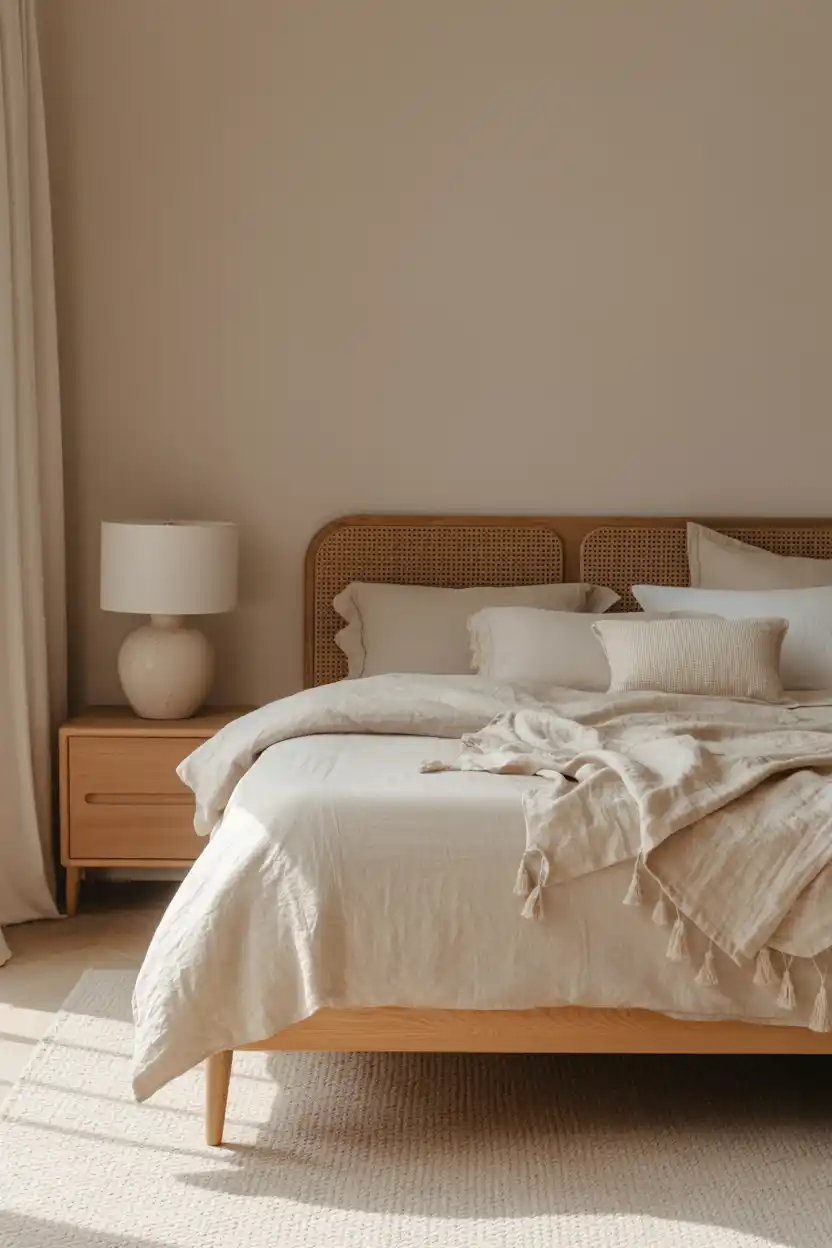
Creamy beige is a favorite among bedroom color ideas for people who want warmth without pattern or contrast, creating a soft, enveloping backdrop for rest.
It pairs effortlessly with almost any furniture style and works particularly well with layered natural textures like linen, wool, and woven baskets to add visual interest.
This color is ideal for anyone who wants a spa-like, low-maintenance bedroom that will not need updating as trends shift.
14. Muted Mustard
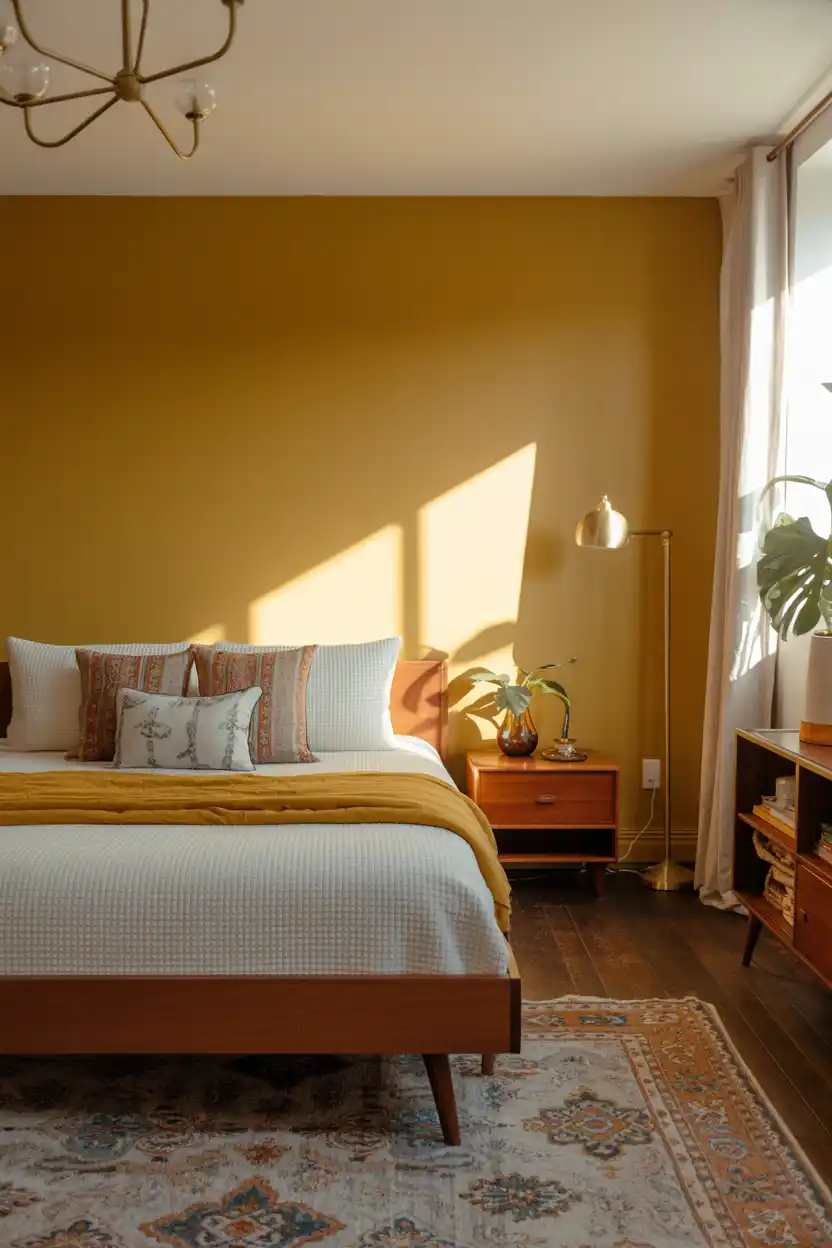
Muted mustard is a bolder bedroom color idea that adds retro warmth without the intensity of a true bright yellow, making it a favorite in mid-century-inspired spaces.
It looks best as an accent wall paired with warm woods, brass fixtures, and rich patterned textiles, since a full room of mustard can feel overwhelming.
This shade suits design-confident homeowners who love a vintage, eclectic look and want a bedroom with real personality.
15. Slate Blue
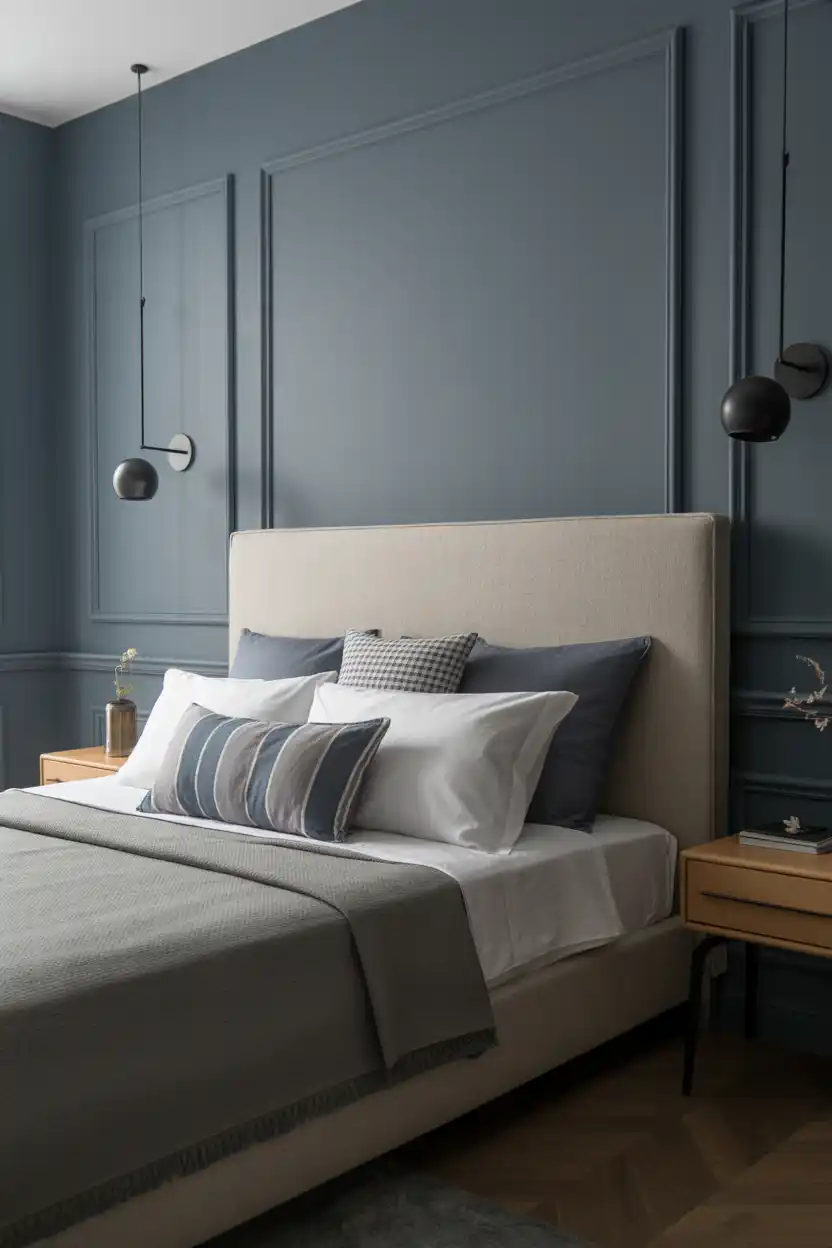
Slate blue sits between navy and gray, making it one of the more flexible bedroom color ideas for people who want depth without a strong color statement.
It pairs naturally with white, charcoal, and warm wood accents, and adapts easily to both modern and traditional bedroom styles.
This color works well for shared primary bedrooms since it feels equally at home with masculine and feminine styling choices.
16. Warm Coral
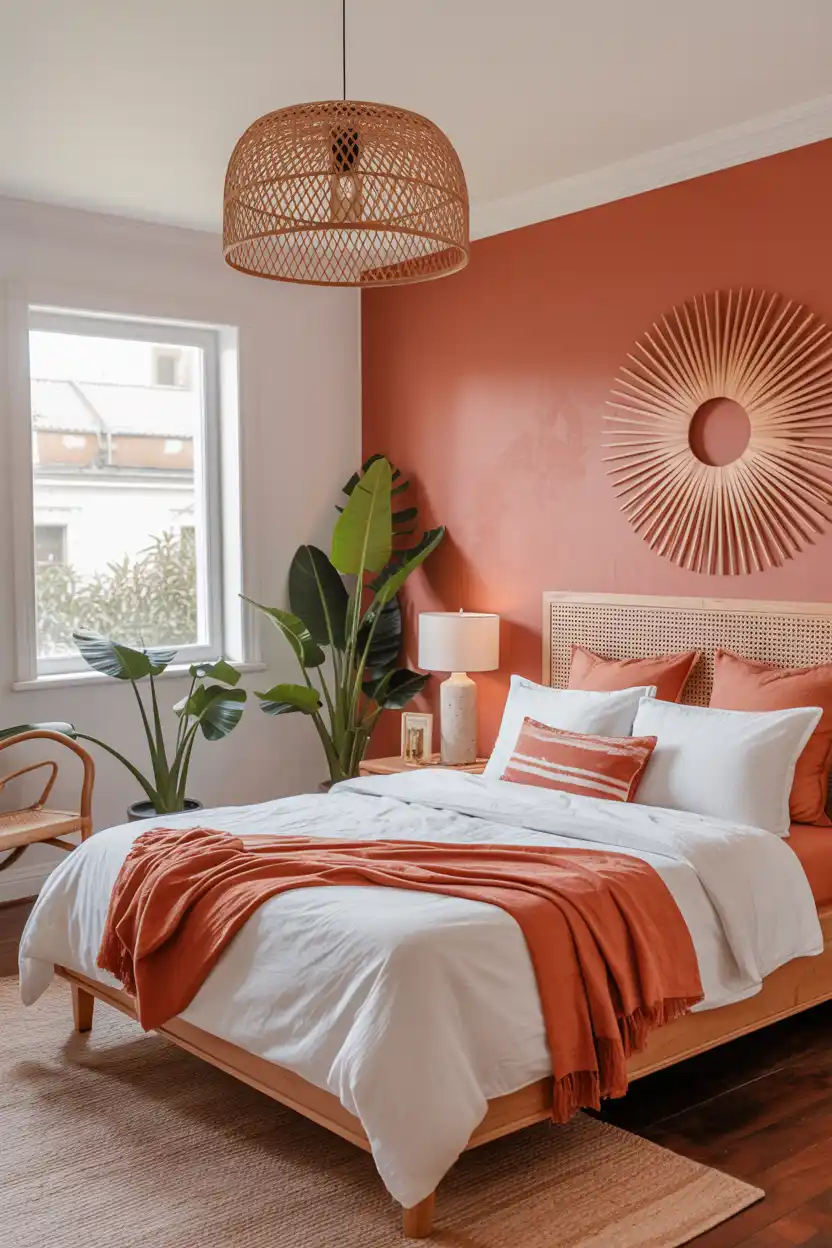
Warm coral is an energizing bedroom color idea for people who want a bright, cheerful space that still feels warm rather than harsh or neon.
It works best as a single accent wall balanced with plenty of white and natural wood tones, plus greenery to soften the overall look.
This shade suits younger homeowners, guest rooms, or anyone who wants a playful but grown-up bedroom color.
17. Olive Green
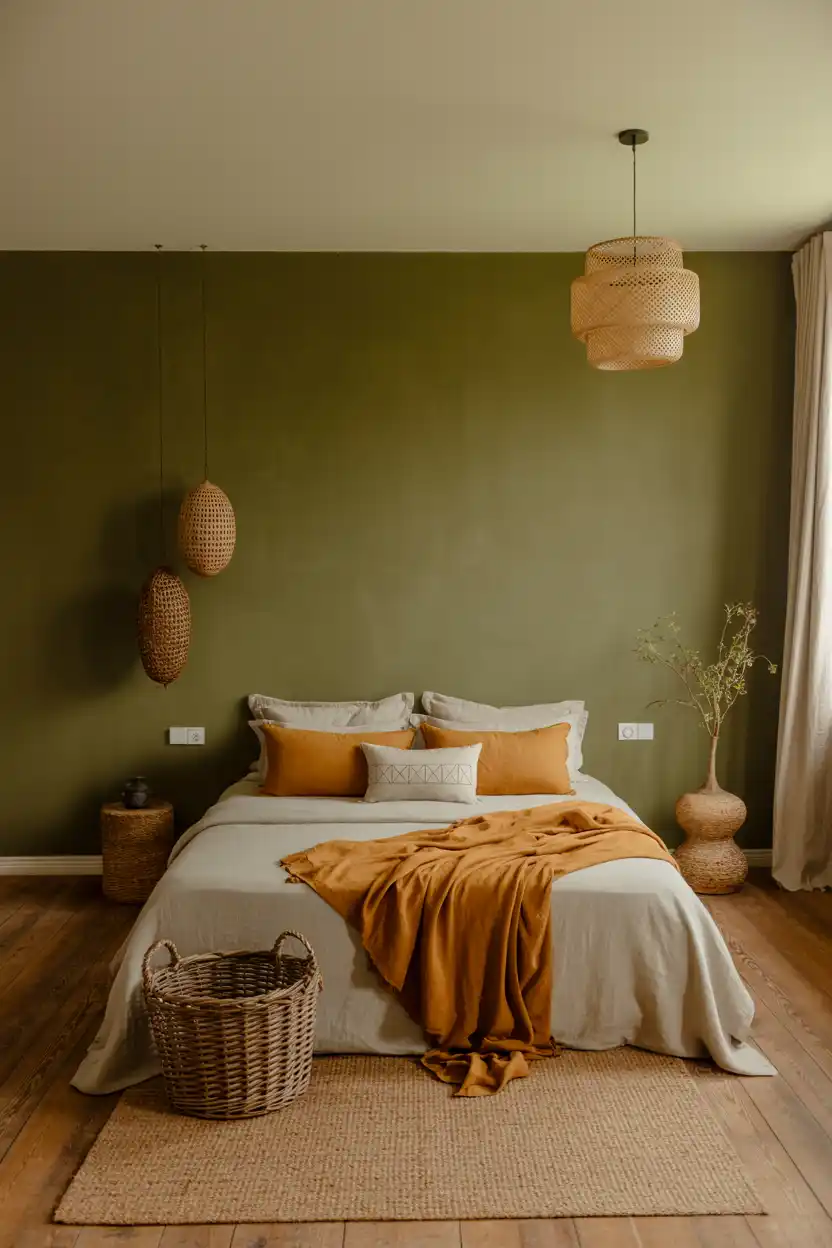
Olive green is a more muted, earthy bedroom color idea compared to sage, offering a slightly deeper and more grounded feel that works well year-round.
It pairs naturally with warm neutrals, rust, and mustard accents, and looks especially good with natural fiber rugs and wood furniture.
This color suits anyone drawn to an earthy, nature-inspired palette who wants something a bit richer and more grounded than a pastel green.
18. Deep Plum
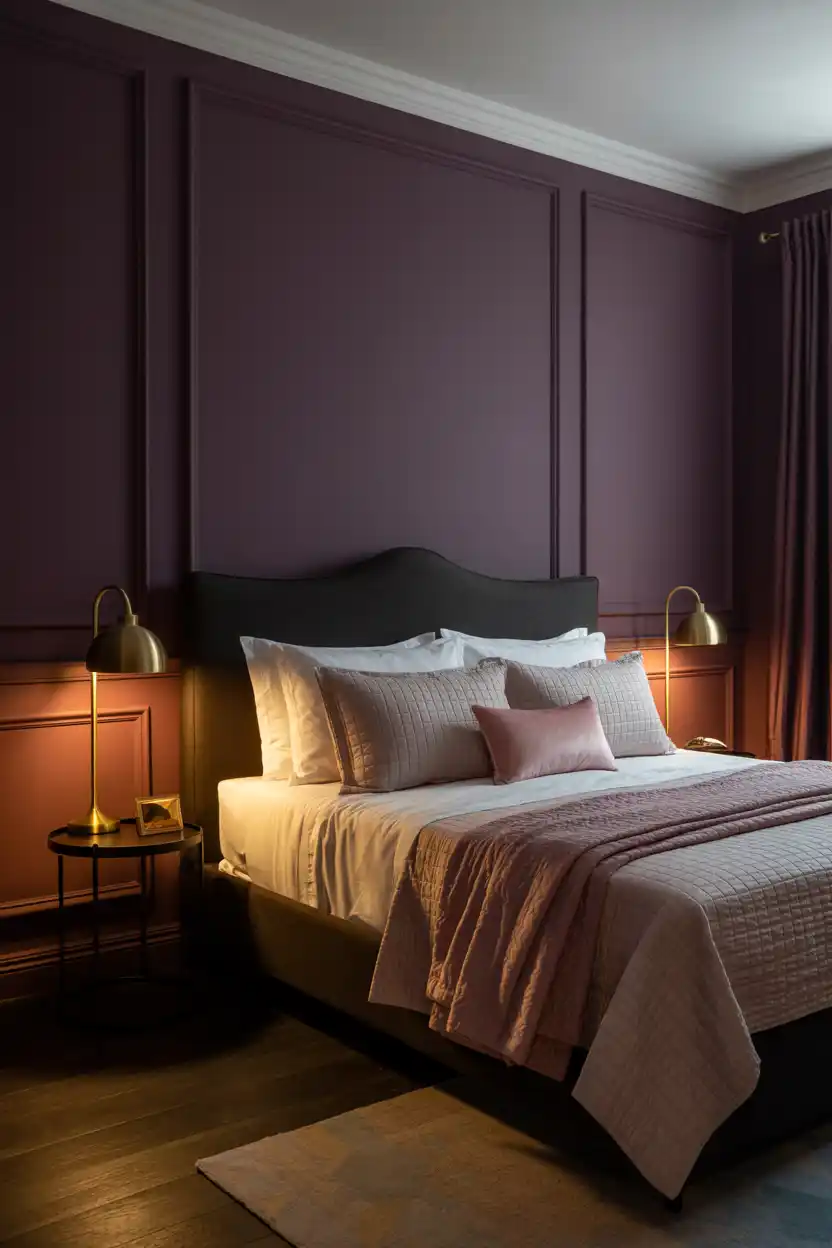
Deep plum is one of the moodiest bedroom color ideas on this list, offering the drama of a dark color with a bit more warmth and personality than navy or charcoal.
It works best in bedrooms with good artificial lighting, paired with brass or gold fixtures and soft cream or blush textiles to keep the space feeling elegant rather than heavy.
This shade suits anyone who wants a bold, romantic, jewel-toned bedroom and does not mind repainting if their taste shifts down the line.
Planning and Buying Tips
Before you buy a single can of paint, a bit of planning will save you time, money, and repainting down the road. Here is what to consider specific to choosing and applying bedroom color:
• Test before you commit. Paint two or three coats of your top color choices on large poster boards and move them around the room across a full day, since bedroom color looks completely different in morning light, midday light, and lamp light at night.
• Consider room size and ceiling height. Darker, saturated colors like navy, plum, or forest green work best in bedrooms with at least 8 to 9 feet of ceiling height or good natural light; in smaller or darker rooms, save bold colors for a single accent wall rather than all four walls.
• Factor in existing fixed elements. Flooring, trim, closet doors, and any built-in furniture you are not replacing should guide your undertone choice, since a warm wood floor will clash with a very cool, blue-based gray.
• Plan for light direction. North-facing bedrooms benefit from warm colors like terracotta, mustard, or buttery yellow to counteract cooler light, while south-facing rooms can handle cooler tones like blue-gray or sage without feeling cold.
• Account for prep and drying time. Budget at least one full weekend for a standard bedroom, including furniture moving, wall patching, taping, two coats of paint, and dry time between coats, plus extra time if you are painting trim or ceilings as well.
• Check for structural or surface issues first. Textured walls, popcorn ceilings, water stains, or old wallpaper need to be addressed before painting, since color will only highlight surface flaws rather than hide them.
• Standard sizing to shop for. A typical bedroom (10×12 feet with 8-foot ceilings) needs roughly one gallon of paint per coat for the walls alone; always buy a quart of a sample size first to test before committing to full gallons.
Cost Breakdown
Bedroom color updates can range from a weekend DIY project to a full professional repaint with premium materials. Here is what to expect at each budget level.
Budget: $50 – $200
Covers a basic interior latex paint (1-2 gallons), roller and brush set, painter’s tape, and drop cloths for a DIY single-room repaint. Best for renters or anyone painting a single accent wall.
Mid-Range: $200 – $600
Covers premium washable or low-VOC paint, primer if needed, professional-grade tools, and either a full DIY repaint of all four walls or a professional painter for a single average-sized bedroom.
Luxury / Premium: $600 – $1,500+
Covers designer paint lines, specialty finishes (limewash, Venetian plaster, or high-end matte formulas), full professional labor including wall prep and repair, and trim or ceiling color-matching for a cohesive, high-end look.
Paint Type Comparison
Not all paint is created equal. Here is how common bedroom paint types compare on price, durability, and best use case:
| Paint Type | Price Range (per gallon) | Durability | Best Finish For | Best For |
| Standard Latex | $25 – $45 | Moderate | Eggshell or satin | Budget-friendly full repaints |
| Premium Washable Latex | $45 – $75 | High | Matte or eggshell | Bedrooms with kids or pets |
| Low-VOC / Zero-VOC | $50 – $80 | High | Matte or eggshell | Nurseries and sensitive sleepers |
| Designer / Specialty Line | $80 – $120 | High | Matte | Statement accent walls |
| Limewash / Venetian Plaster | $100 – $180 | Very High | Textured matte | Luxury, high-end bedrooms |
Maintenance Tips
• Dust walls regularly using a microfiber cloth or vacuum brush attachment to prevent buildup, especially in matte finishes, which show dust more than glossier ones.
Spot-clean gently with a damp microfiber cloth and mild soap for washable paint finishes; avoid abrasive sponges, which can burnish or lighten matte paint.
• Keep touch-up paint on hand. Save a small labeled container from your original gallon so you can fix scuffs, nail holes, or furniture marks without a full repaint.
• Watch for common issues like peeling near windows (often a sign of moisture or condensation), fading in direct sunlight (consider UV-resistant or higher-quality paint for sun-facing walls), and yellowing white paint over time (usually from oil-based products, which can be avoided by choosing acrylic latex).
• Repaint on a reasonable cycle. Most bedroom paint holds up well for 7 to 10 years before it needs a refresh, though high-traffic touch points like around light switches may need attention sooner.
Frequently Asked Questions
What is the best bedroom color for sleep?
Soft, muted, cool-to-neutral tones such as blue-gray, sage green, and soft taupe are generally considered the best bedroom colors for sleep, since they tend to feel calming rather than stimulating. Avoid highly saturated, bright, or high-contrast colors in the areas directly facing the bed.
What color should I avoid in a bedroom?
Very bright, saturated reds and oranges are often discouraged for bedrooms because they can feel energizing rather than restful. If you love a bold, warm color, use it as a single accent wall or in smaller doses through textiles rather than covering the entire room.
Do dark bedroom colors make a room feel smaller?
Dark colors can make a room feel more intimate, but they do not automatically make it feel smaller if the room has good natural light, high ceilings, or contrasting white trim and ceiling. In small, low-light rooms, dark colors are best used on a single wall rather than throughout.
What is the most popular bedroom color right now?
Warm, earthy neutrals like taupe, warm greige, and soft sage green are currently among the most popular bedroom colors, reflecting a broader shift toward cozy, nature-inspired interiors over stark whites or cool grays.
How do I choose a bedroom color that matches my furniture?
Start with the undertone of your largest fixed element, usually the flooring, then choose a wall color with a matching warm or cool undertone. Bring a fabric swatch or photo of your furniture to the paint store, and always test the color on your actual wall before committing to a full gallon.
How to Choose the Right Bedroom Color for You
With 18 bedroom color ideas on the table, the right choice ultimately comes down to three things: how much natural light your room gets, how bold you want the space to feel, and how long you plan to live with the color before repainting.
If you have a small or low-light bedroom, lean toward soft neutrals, warm whites, or muted pastels that will make the space feel open and airy. If you have a larger room with good light and want a cocooning, restful retreat, colors like navy, forest green, or deep plum can create real drama without overwhelming the space.
On a tight budget, start with a single accent wall in a bold shade like terracotta or mustard, since it delivers impact for the cost of a single gallon of paint. If budget allows, a full professional repaint with a premium low-VOC formula will give you the most polished, long-lasting result.
Whatever direction you choose, sample the color on your actual walls first, live with it for a few days, and trust the shade that makes your bedroom feel like the place you most want to be at the end of the day.
Ready to bring your bedroom to life? Pick your favorite shade from this list, grab a sample pot, and start testing it on your walls this weekend.


- Be Respectful
- Stay Relevant
- Stay Positive
- True Feedback
- Encourage Discussion
- Avoid Spamming
- No Fake News
- Don't Copy-Paste
- No Personal Attacks
- Be Respectful
- Stay Relevant
- Stay Positive
- True Feedback
- Encourage Discussion
- Avoid Spamming
- No Fake News
- Don't Copy-Paste
- No Personal Attacks
